OD&D: The Thief Game

I'm removing the thief from OD&D. Its skill system is now added to the core of the game.

Normally, an OD&D character can do any of these things if they are not under pressure. However, when sneaking through a place with patrols (such as a dynamic dungeon, guarded mansion, etc), the Thief Game begins.

Some things to note:

  • A round is 10 minutes.
  • " indicates multiply the number * 10 for feet, so 3" is 30 feet.
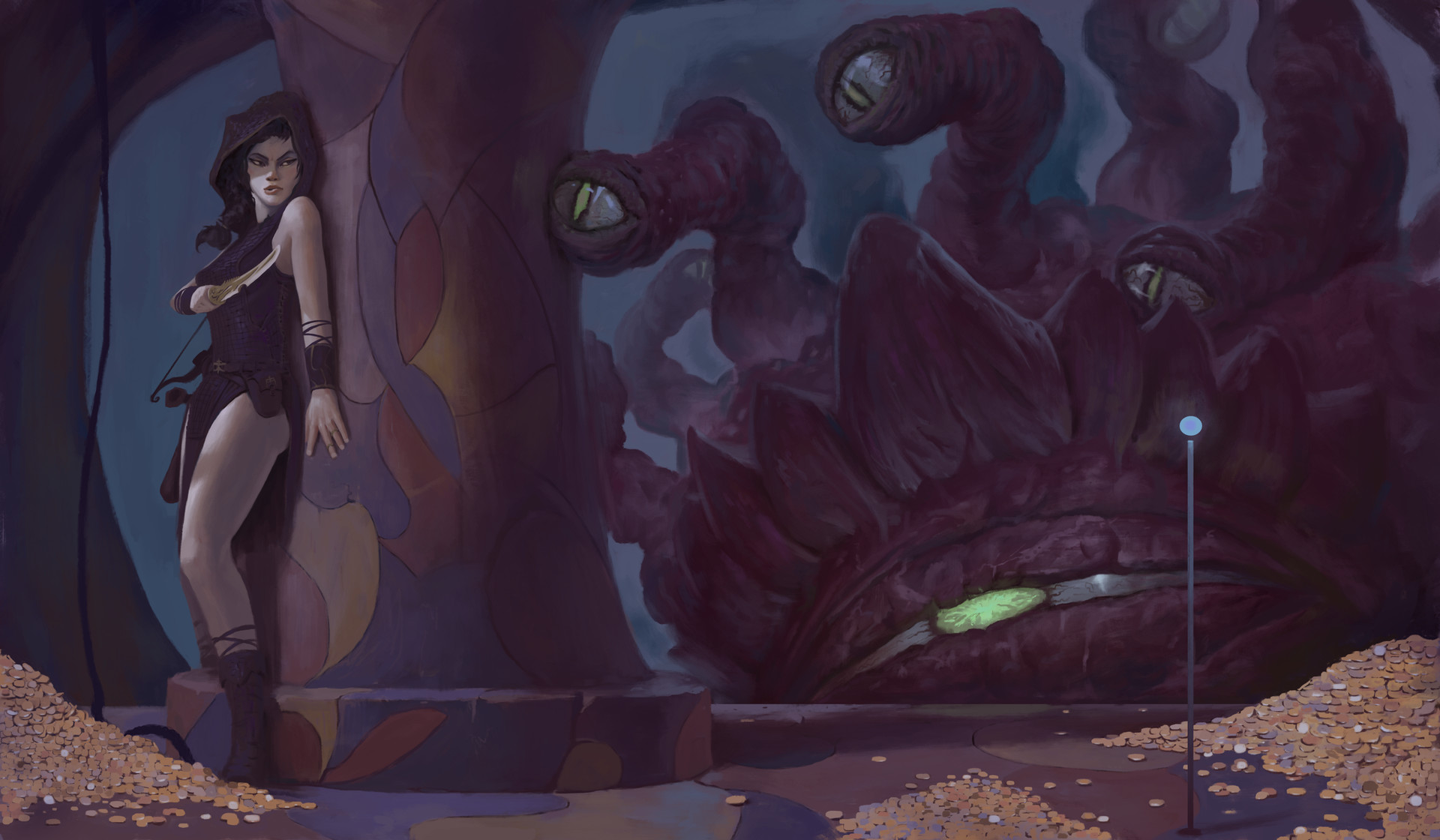

Job to end all jobs
By Martin Sobr

Playing the Thief Game

  • Announce that the Thief Game is beginning.
  • State the win condition:
    • Escape with whatever the PCs are looking for.
    • Assassinate a target.
    • Get to a new area where they can hide/rest.
    • Escape something that is searching for them.
      • With these 4 things in mind, you get an idea of what triggers the Thief Game.
  • Players always go first, with popcorn initiative.
    • On their turn, the player describes what they want to do. The referee then decides mechanically what that is and rolls for it themselves. If they move, players can move 3" per round. The referee does not directly tell the player the results.
  • After all players go, the referee does.
    • PC skill checks are resolved on the referee's turn.
    • Patrols (if any) then move.
    • Any hazards (traps, etc) the PCs trigger are activated.
  • Start the process over until the PCs are caught and cannot escape, the PCs die, or the PCs when the Thief Game.
The Lockpick
Reflavor your lockpicks as different things.
Like a trained cobra.

Thief Skills
The following thief skills are what the referee rolls for when their players tell them what they want to do. 
  • Open Locks: Safely picking locks of any sort. Roll under D%
  • Remove Traps: Disarm a discovered, but not yet triggered, trap. Roll under d%
  • Phantom Touch: Remove something off someone/something without disturbing it. Roll under d%. 
  • Move Silently: Move without making any noise. Roll under d%. Can't be done in heavy armor.
  • Hide in Shadows: Hide in gloom, obscured areas, or dim light. Roll under d%. Can't be done while holding a light source.
  • Spider Climb: Climb a vertical surface with no handholds. Roll under d%. Can't be done in heavy armor.
  • Hear Danger: Hear approaching patrols, or danger on the other side of a barrier. X-in-6 chance.
All d% chances start at 20% chances. Every HD adds +5% to the chance.

Hear Danger starts at 1-in-6. Every 3 HD (so at 3rd/6th/9th/12th/15th levels) it increases by +1.

Again, the referee rolls these checks and does not tell the player if they 100% succeed or not. I've found this maintains tension, and makes the referee's turn more enjoyable for me.
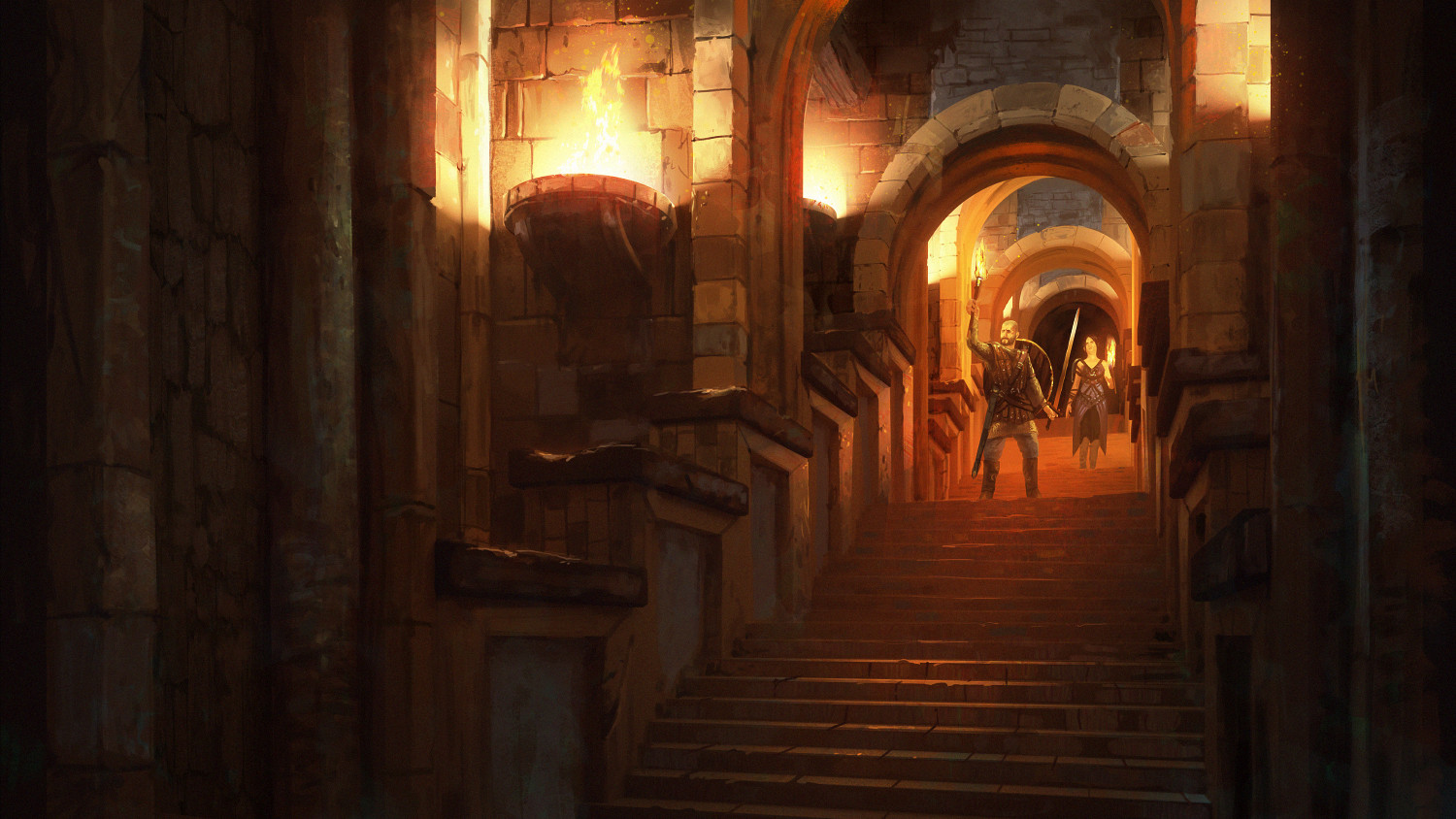
Dungeon
In a lot of cases, you will have to decide:
Keep your light source, or win the Thief Game?

Patrols
Patrols are any amount of creatures in a confined area that move in preset patterns while looking for intruders.

In your dungeon or confined space, have 1d6 patrols. Add +2d6 if the patrols are expecting the PCs.

Have a patrols route sketched out. Roll 1d4 when designing patrols. This is how many rounds it takes for a full patrol circuit to complete.

If a patrol discovers intruders, it will spend that round not doing anything other then discovering them. On its next round, should it still be alive, it will trigger some sort of alarm. In 2 rounds, every patrol will be in the area. On the third round, should the patrol still be alive and the PCs still in the area, it will initiate combat. This means the PCs have lost the Thief Game.

Losing the Thief Game
Once the PCs lose the Thief Game, they cannot begin it again. This is because if they escape, security will increase to the point where sneaking is virtually impossible in that particular area. Or, because the PCs have killed enough or make their enemies break and flee, thus removing all patrols.
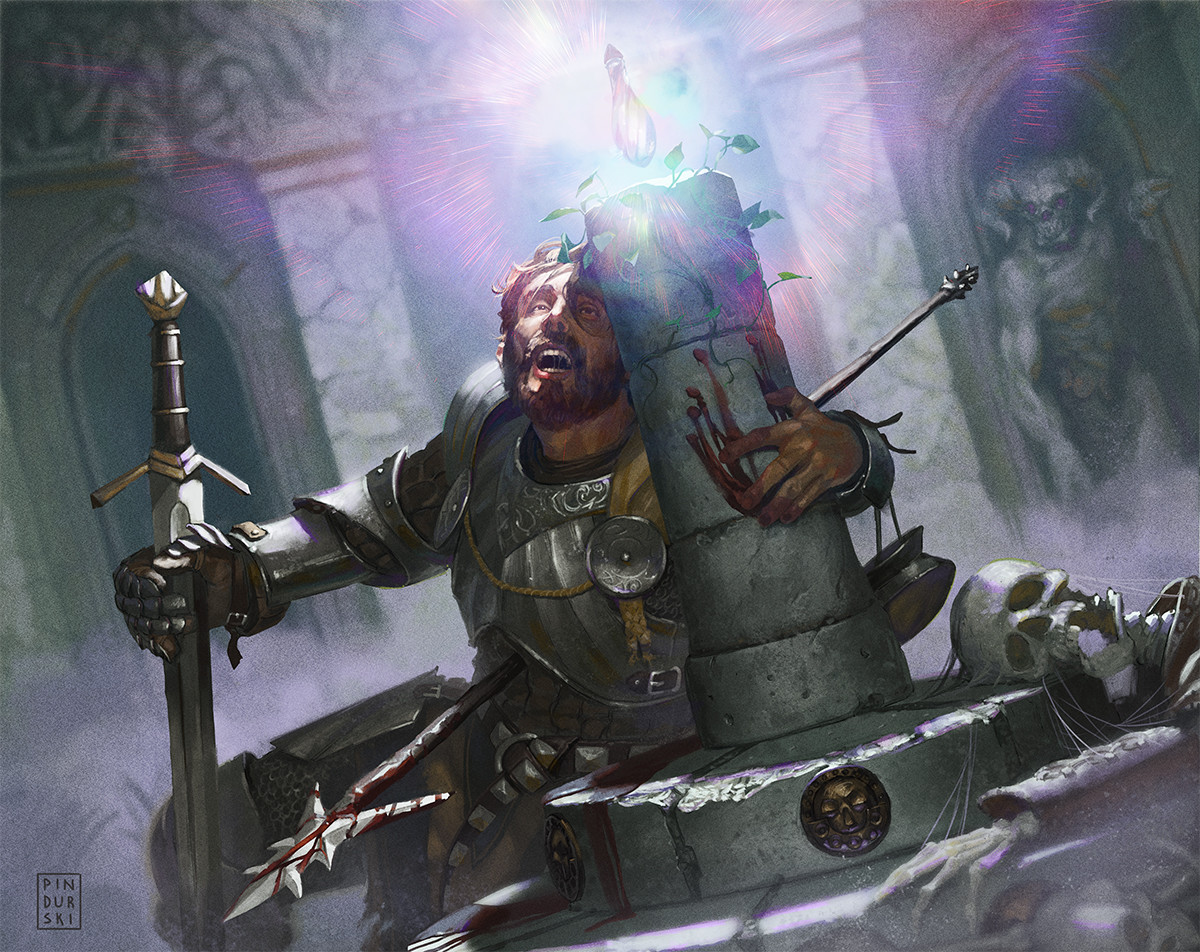
Dying Wish
Hazards keep the Thief Game fresh.
More potential hazards leads to a more dynamic, dangerous
And rewarding victory.

Hazards
Hazards are traps, environmental things (like yellow ooze or cliffs), or supernatural shit (like hauntings, etc).

Put between 2-10 hazards in each Thief Game. The more hazards, the more difficult things are.

Hazards usually do damage or put the PC into a bad spot. If they do damage, use these guidelines
  • For non-lethal hazards, roll 2d6 and take the lower amount.
  • For standard hazards, like spike traps and the like, roll 1d6.
  • For supernatural hazards, like spell traps, roll 2d6 and take the higher amount.
Here's a sample stat block template for making a hazard

Hazard Name:
Hazard Trigger: A simple trigger.
Hazard Description: 1 line for most hazards. 2-4 for complex ones.
Hazard Damage: Based off the above guidelines.

An example hazard:

Rolling Boulder
Trigger: Removing something on a pressure plate.
  • A boulder drops behind the creature in a sloping passage, blocking that direction and rolling at 60" a round behind them, dealing 1d6 dmg if it reaches their space, and another 1d6 every round after until freed.

Notice that in the above, no solution to the trap is given. If discovered as a trap beforehand, a roll can remove it, or player ingenuity. If caught in the trap, only player ingenuity can save them.

Dragon's Hoard (MTG)
Burglary should always pay off.

Rewards for the Thief Game
Players should feel rewarded for winning the Thief Game. Discovering precious treasure maps, magical items, or valuable information are the standards. Also, they avoided a lot of combat (hopefully) and got to a new place.

Another cool Thief Game reward is having the party discover a new entrance/exit to wherever they're going, so that they don't have to do all this sneaking again.
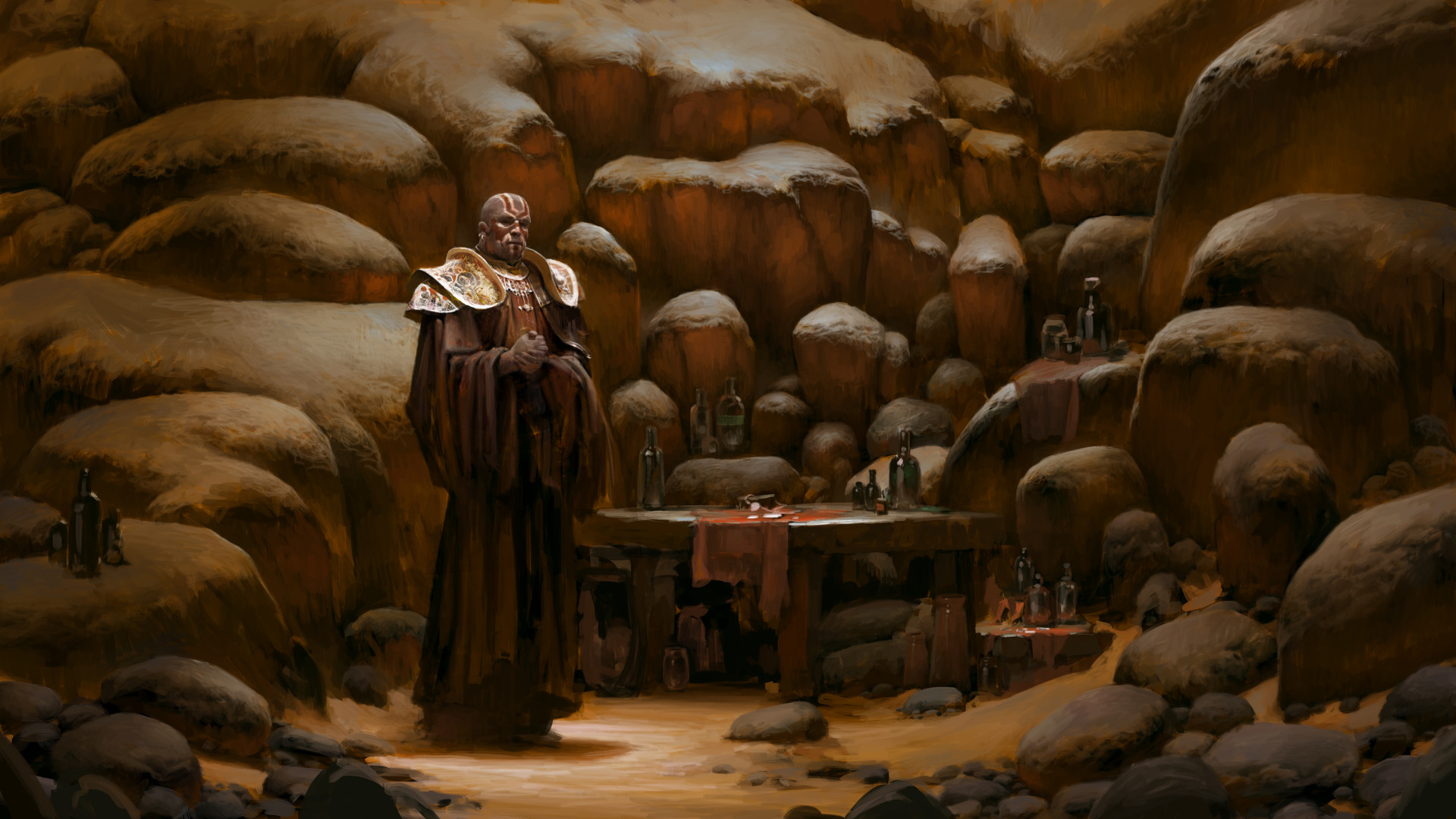
COMMANDMENT: Creating a Character

For making characters in COMMANDMENT. These rules are loosely based off the 3 Little Brown Booklets (OD&D).  I say loosely because they're not really a complete game, but work well enough to build fun stuff out of.
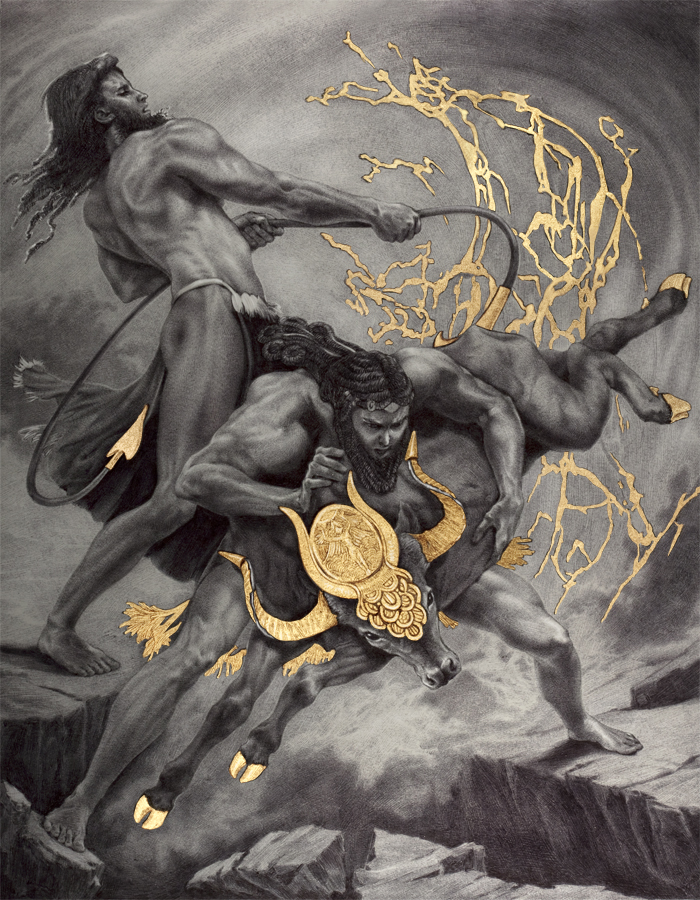
Rebecca_Yanovskaya_Bull_of_Heaven.jpg
The type of characters
You may end up playing.
You have four stats.

Savvy - This is your mental acuity, cleverness, guile, and skill. This also represents your ability to learn, to notice things, and to mentally adapt to the situation.

Athletics - This represents your physical ability, your coordination, your agility, and your overall constitution. A higher Athletics indicates a higher endurance, as well.

Weird - This represents how deep you are into the realms of the Weird--the occult, strangeness, how well you deal with Powers beyond your own, and all manners of things.

Oblivion - This represents how many times you can be reborn through Iron Circles before your soul peters out and turns into clay.

For the first three stats, roll 2d6 + 6. These are your attributes.

If you want, you can use the classical 6 stats, with Depredation being an added 7th (that is never rolled for). I prefer 4 stats in my games, but it doesn't ultimately matter. Anything that would target Strength/Dexterity/Constitution now targets Athletics. Anything that would target Intelligence/Wisdom/Charisma now targets savvy. Anything that targets levels/exp/energy levels now targets Weird.

Damage you take is dealt to your Athletics score. When you advance in one of your classes, roll your hit die. This becomes a second pool of hit points for the purpose of making you a bit more durable. Once your hit points are out, damage goes straight to Athletics. Once Athletics hits 0, you die (and are hopefully reborn at your Iron Circle).

Spellforce 3 Concept Art
Some people wait at Iron Circles, even build shrines at them.
For requests of the reborn.
Or for reasons more sinister yet.

You have three saving throws.

Vs. Doom - Whenever you encounter something that will likely horrifically hurt you or maim you, save vs Doom. Traps, avalanches, sudden falls, all that stuff.

Vs. Iron - Sometimes, iron will call to you from afar, will sing to you, will sings of bloodlust, of carnage. In order to resist the mind-controlling effects of an enemy's iron, of walking through battlefields, and of exploring ruins, you will need to sometimes save vs Iron.

Vs. Wands - Spells and curses are dangerous. The wand-words of magicians, warlocks, sorcerers, and necromancers will destroy you if you are not prepared for them.

Roll 3d6 + 1 for each saving throw, down the line. In order to succeed on these rolls, a d20 roll above them is required. If the save is particularly hard, the referee will say roll with powerlessness, where you roll 2d20 and take the worse result.

Image result for magic the gathering disintegrate art
A clear case of Save vs Wands.

Pick your character's class from the options below.

Fighting-Man - As it is in OD&D. One modification: every 3 levels, on a successful attack roll (1d20 vs thac0), you get an additional d6 you can roll for damage. This damage can be against any target that is within range of your current weapon.

Magic-User - As it is in OD&D. One modification: roll for a mancy. You know and can perform this. 

Cleric - As it is in OD&D. One modification: clerics do not Turn Undead but instead Turn the Barbarous. All Sea People and all Gods of Conquest are barbarous.

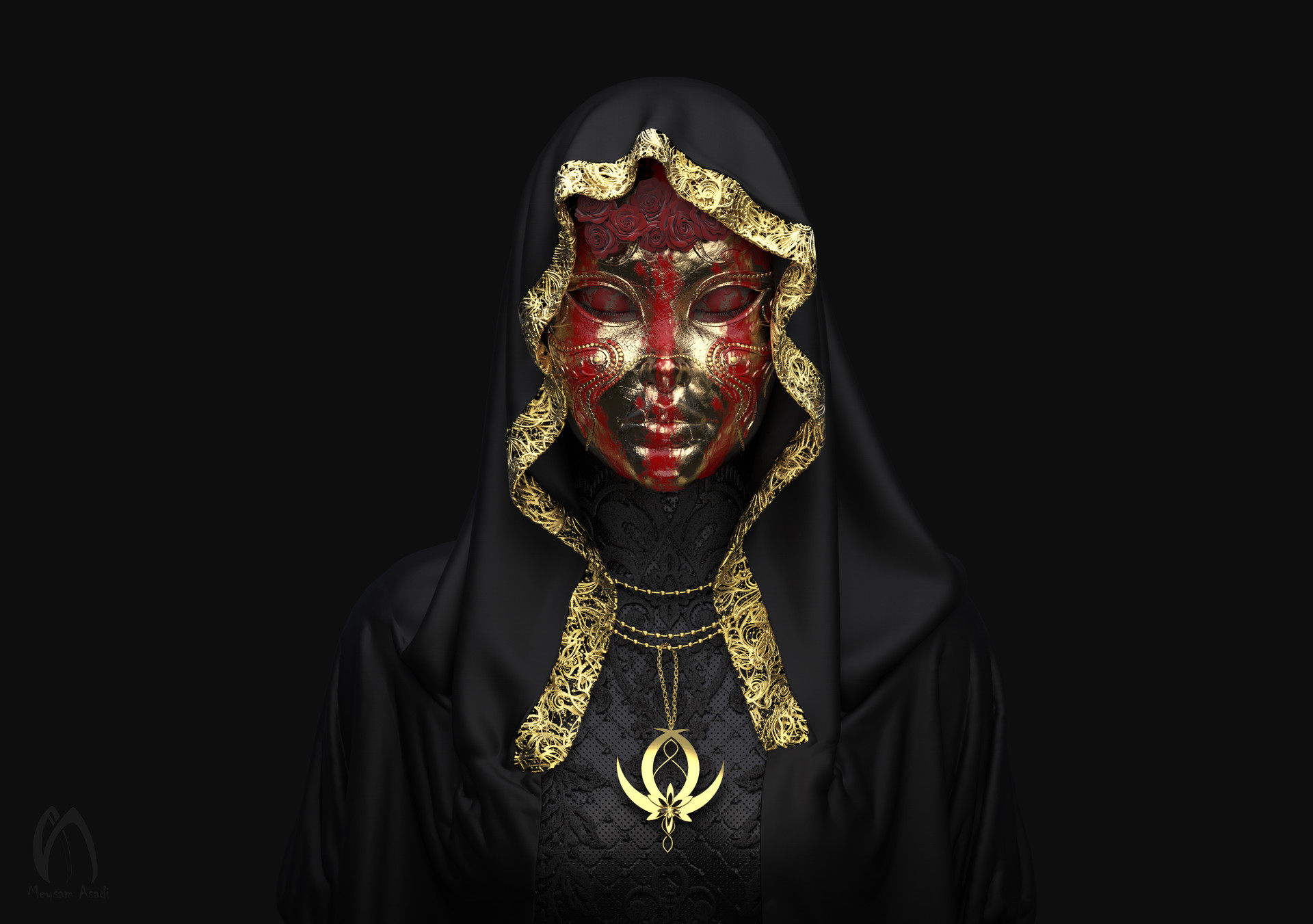
A COMMANDMENT magic-user.
A hidden identity prevents
the Sea People's curse from afflicting loved ones.

If you have for spells, roll for them and consult the OD&D spell chart. Spellbooks do not exist in commandment, nor do spell scrolls. Reflavor your spellbook as one of the following:
  1. Tattoos sprawling over your skin.
  2. Sigils and signs woven into your clothing or mask.
  3. Hieroglyphics covering your many daggers and implements.
  4. Words etched into a slab of lapis lazuli that you carry.
  5. Symbols covering an idol, with each symbol being its own spell.
  6. Scrimshawed bones that contain your secrets.
Spell scrolls come in small amounts of one of the above. For example, human hide with spiritual tattoos, stone tablets, and so on. Same for treasure maps, really.

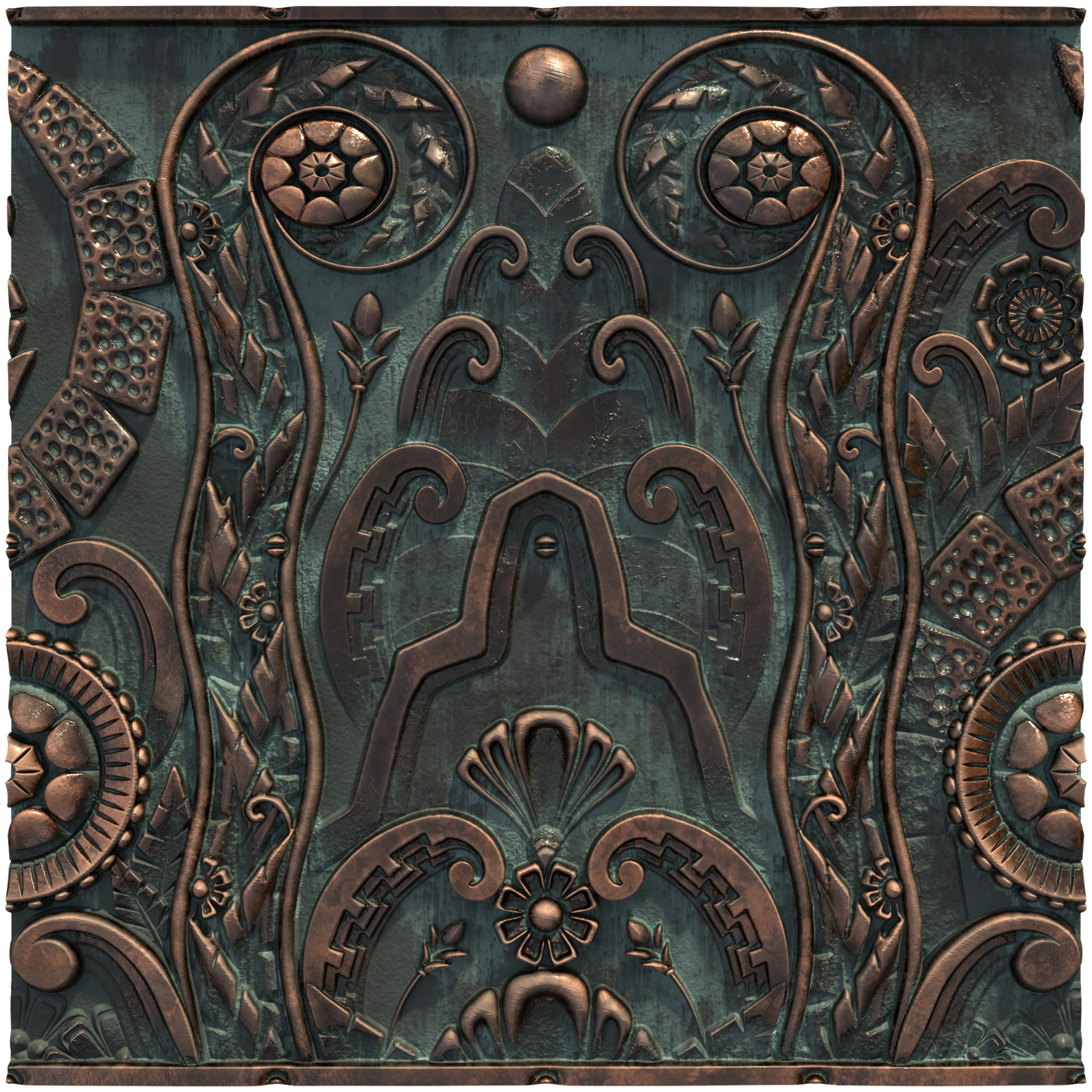
Ornament
This slab of worked bronze
Could easily be a spellbook of some sort.
When you wake up, your head is burning from a pain you can't identify. You have very little with you.

Fighting-Men Have: Two weapons of their choice, a shield, and a set of leather bands for armor (treat as leather w/ shield)

Magic-Users Have: A dagger and a spellbook.

Clerics Have: A weapon of their choice and a set of bronze panoply (treat as chain mail).

In addition, roll 1d12 and consult the table below. Your result is an item you are carrying without remembering how you got it or where it came from.

  1. Anointed Skull - A skull anointed in a necromancer's oils. Can be spoken with once, and it will answer one Yes/No question before turning to dust.
  2. Iron Weapon - An iron weapon that you can use. +2 to attack rolls. Save vs Wands for Barbarous reasons.
  3. Olive Branch - This branch still blossoms with olives and leaves. When waved, a hostile monster of your choice that sees it will seek parley with you. The olive branch then withers and dies.
  4. Bronze Menat - This menat, when played, causes Gods of Conquest to temporarily regain their sane, human minds. This will last for 6 rounds before the menat crumbles to dust.
  5. Lightning-Rich Opal - This opal, as all opals are, was created when lightning struck a desert. Can be crushed to cast Lightning Bolt. 
  6. Iron-Hating Stele - Etched into this stone slab are poems and prayers that remind one of the humanity within them. Once stuck into a ground, produces an invisible 300" x 300" barrier that no creature holding Iron, no one who is barbarous, and no God of Conquest can pass through for 10 rounds. Afterwards, the stele breaks into pieces.
  7. Polished Looking Glass - A looking glass of silver, finely polished. Anyone who looks into it has their appearance remembered. The next person who looks into the looking glass looks exactly like the first for 10 rounds. The looking glass then becomes dull and unreflective.
  8. Burning Sun Lens - This clear lens absorbs sunlight. After absorbing sunlight for a total of 2 hours, it explodes in a 20" x 20" blast. Treat this blast a fireball and the lens as destroyed in the conflaguration.
  9. Poet's Scroll - This papyrus scroll has countless Achaen poems written on it. Subdued monsters, including men, who hear this scroll will roll a 12 on their morale check to become your hirelings. However, after the first creature does this, fame of your scroll transcends you and thus loses its charm.
  10. Astrolabe - This bronze astrolabe is perfectly functional. It also is sentient, and will try to lead you to a certain destination. The referee rolls a d%. There is a 40% chance this leads to the place you first died, a 30% chance this leads to treasure, and a 30% chance this leads to an ambush of some sort.
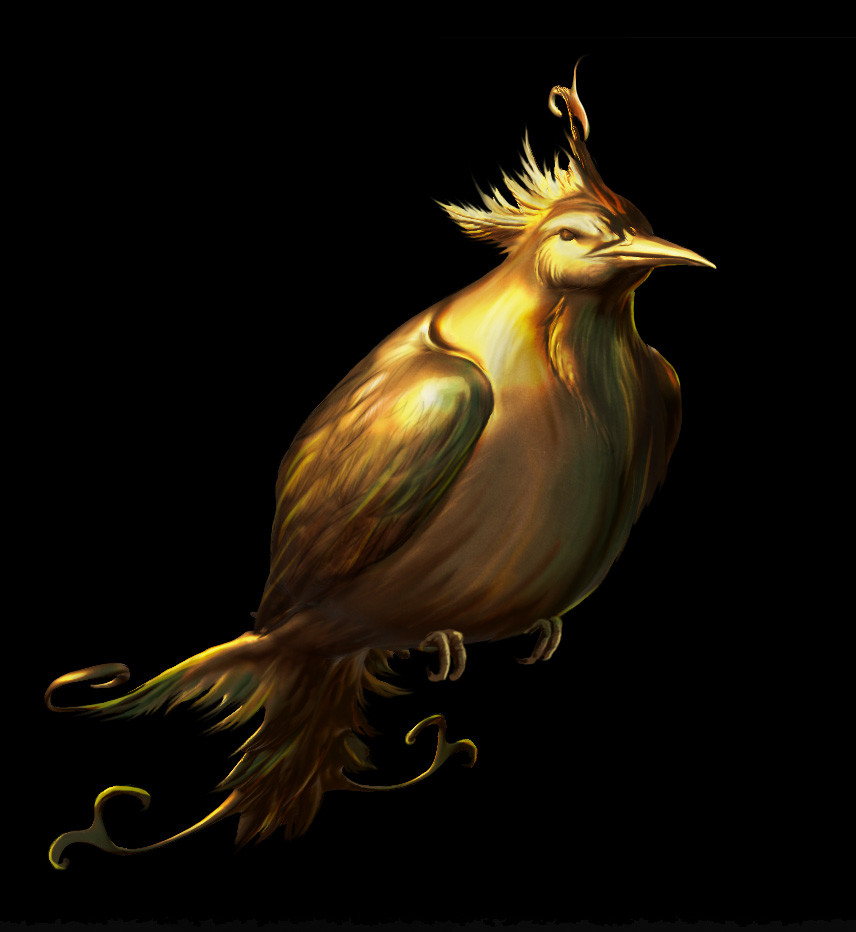
  11. Bronzework Bird - A bird of worked bronze. Upon closer inspection, it is a graceful prinia. When you pass a secret door, the bird will come alive and fly through it, revealing its location. Afterwards, it becomes permanently inert.
  12. Lapis Lazuli Shardbook - A shard of lapis lazuli with one spell magic-user 1st level spell written on it. Treat as a spell scroll.
Bronze sculptures from 3D print
My favorite of the revival gifts.
The Dwarf, Elf, and Hobbit race-class variants do not exist. If your referee allows, you can be a sphinx.

Now that your character is made, keep these things in mind:
  • You don't know who you are.
  • You don't know where you are.
  • You don't remember how you get here.
  • You have an innate hatred towards the Sea People and all things barbarous.
  • You have an innate distrust of iron.
  • You have an innate trust of sphinx.
COMMANDMENT games begin in the Godsblood, the mouth of the deific Nile River. All around you are boats with burned out pyres filling them, and black corpses. Venture into the world and find what you have lost.

Xibalba Hex: The Greedy Gold Dragon of the Weeping Wispy Willow


20 miles southeast of the Opal-Cutter's Outpost is the Weeping Wispy Willow. It marks the entrance to the Moonless Fen and bends over the blasted ruins of the Gold-Latticed Prison. One can see it some miles away, as this weeping willow bends hundreds upon hundreds of feet high, so high that clouds sometimes dip below and dance amongst its branches, naming it true.
In the tree rests the Greedy Gold Dragon. His horde threads the willow's roots. Sculptures finely painted and perfectly carved, calligraphy scrolls of high poetry, ceramics handmade by legend'd masters--these are what the Greedy Gold Dragon wishes for.
As one approaches, his head, bearded, slips down to greet his visitors. In a voice long and low he asks if any of them are artists. If they are, he will ask them what kind. If they tell him, he will ask them for a tithe in the form of their art. Present it, and should it make him weep--and the Greedy Gold Dragon is quick to cry over beauty--then you will be granted passage to the Gold-Latticed Prisons below, or the Moonless Fen beyond. Should his eyes remain dry, he will ask for another piece of art. And another. And another. Always more, until his greed turns into tearful appreciation.
If you present him no art but are an artist, he will be enraged. He will ask you once more, and tell you that if you do not bring art to his horde, that he will hang from his tree's branches the corpses of those you hold dear. Do not tempt him. The Greedy Gold Dragon is friends with the darklings in the Moonless Swamp. They will kill for him, to pay off their debt.
And if you are not an artist, then the Greedy Gold Dragon cares not for you. He will ask you to give him a sacrifice of flesh, or to bring him an artist, or to leave. If greed is not slated, then greed is not interested.
No photo description available.
From Old School Essentials

MONSTERS:
  • The Greedy Gold Dragon, a 12 HD gold dragon.
  • The Weeping Wispy Willow, an 8 HD ent and ally of the Greedy Gold Dragon.
  • 1d10 + 5 gargoyles, hidden as beautiful statues amongst the treasure horde.

TREASURE:
  • Roll 3 times for each category on Treasure Table H.
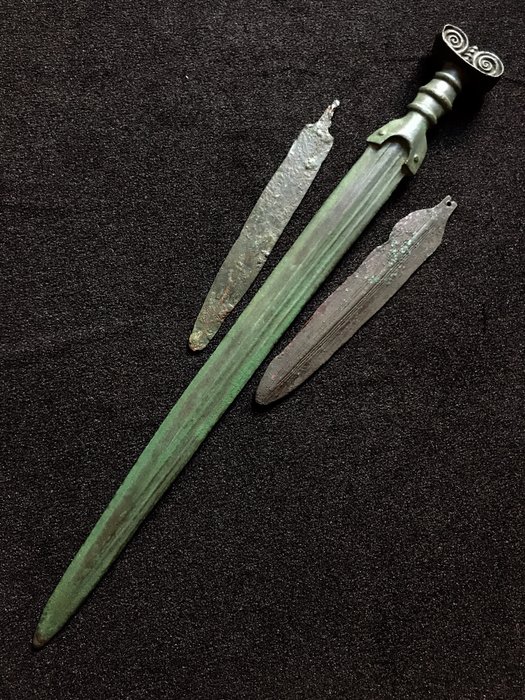
  • In addition to the above, Pathlost, a cursed -2 sword of lawful alignment. Pathlost has the ability of speech, and the tongues of Darklings, Mankind, and Demons. Pathlost also has an Ego of 12--creatures with Intelligence less then this will be taken over by it, and slaves to the sword. It speaks forlornly of tragedies that it has seen. Pathlost has the following three powers in addition to its curse:
    • Detect Evil: Hostile creatures within 10"* causes Pathlost to glow blue.
    • Detect Gold: Amounts of gold worth 500 or more coins within 10" causes Pathlost to glow gold.
    • Detect Halls: Hidden hallways within 1" causes Pathlost to hum.

Image result for bronze sword
Pathlost.