OD&D: Cambions, Darklings, Sphinxes, and Valkyries as race-class variants

Image result for old school fantasy art
By Jakub Rebelka

NOTE: I have edited both the Cambion and Darkling variants

OD&D had races. Not race-as-class, but races that modified certain classes. For example, here's the Dwarf:

Dwarves may opt only for the fighting class, and they may never progress beyond the 6th level (Myrmidon). Because of their relatively small size, clumsy monsters like Ogres, Giants and the like will have a difficult time hitting Dwarves, so score only one half the usual hit points when a hit is scored. They have a high level of magic resistance, and they thus add four levels when rolling saving throws (a 6th level dwarf equals a 10th level human). They are the only characters able to fully employ the +3 Magic War Hammer. Dwarves note slanting passages, traps, shifting walls and new construction in underground settings. Goblins and Kobolds are their natural (and most hated) enemies, and Dwarves will attack Goblins and Kobolds before any other enemies in sight. Dwarves are able to speak the languages of Gnomes, Kobolds and Goblins in addition to the usual tongues (see Character Languages).
So I guess its easiest to say that races are variant classes in a way, as a dwarf is a variant fighting-man.

OD&D also offers this (oft-repeated) pearl of wisdom:

Other Character Types 
There is no reason that players cannot be allowed to play as virtually anything, provided they begin relatively weak and work up to the top, i.e., a player wishing to be a Dragon would have to begin as let us say, a "young" one and progress upwards in the usual manner, steps being predetermined by the campaign referee.
So, clearly making new race-class-variants is pretty encouraged.

So, let's make some new race-class variants. Some of these restrictions may seem odd; in future posts detailing lore, I will go over these (such as sphinxes not being able to use magical items).

* - The " symbol means multiple the proceeding number by 10. So 2" is 20 feet. 12" is 120 feet. 

Cambions
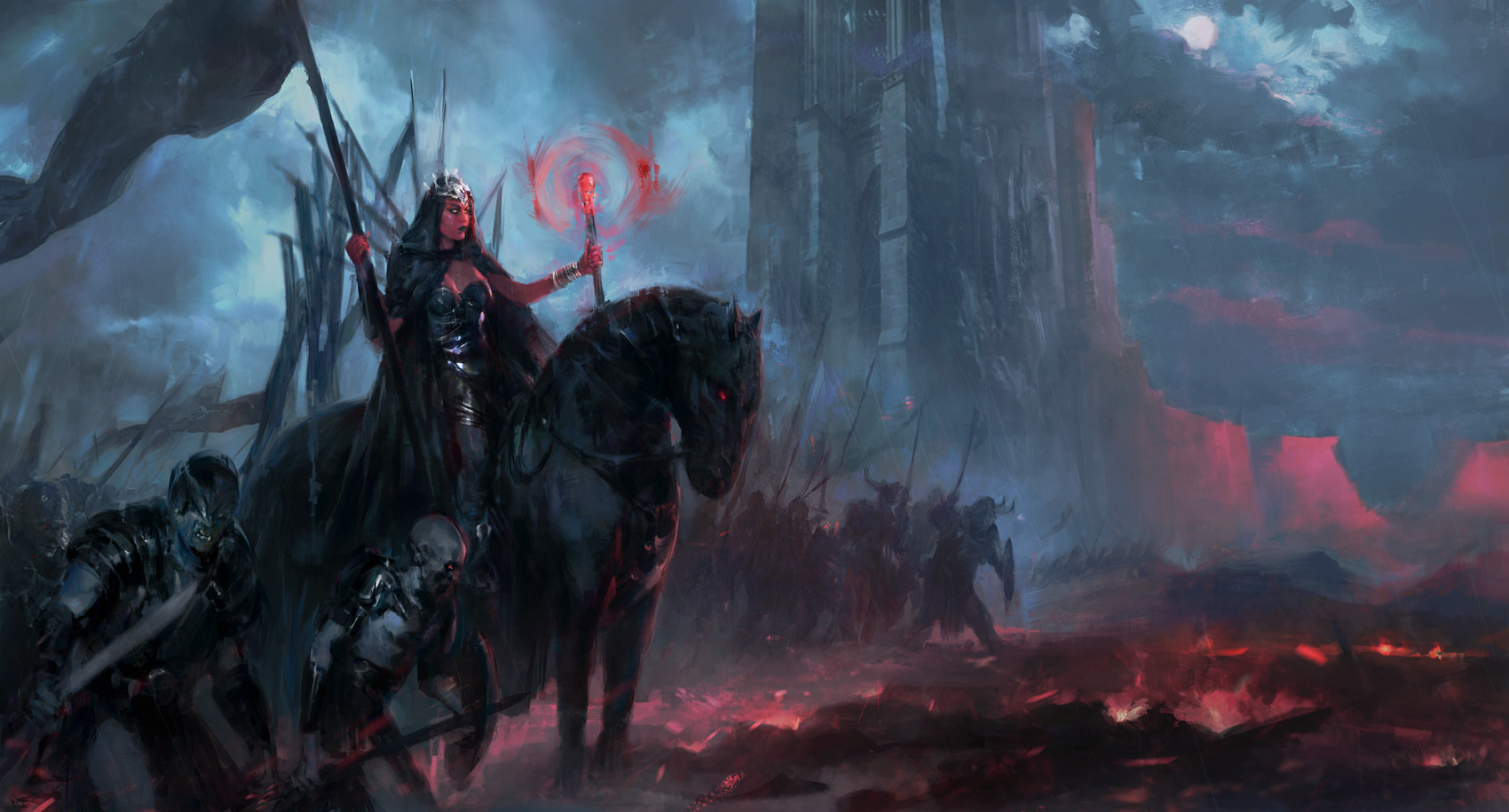
Legion Commander
The infernal children of Things that spill out of hell.

Cambions can begin either as fighting-men or as clerics and freely switch between each class, but only between adventures. Thus, they begin with the benefits of both classes. However they may not progress beyond 6th level fighting-men (Myrmidon) and 4th level cleric (Evil Priest), and they must be Chaotically aligned.  Cambions can see at night as if it were daylight. Because of their infernal nature, score only one half of the usual hit points when a hit is scored from a fire source, such as a torch, alchemist fire, or a fireball. At the referee's option, cambions have a 1-4 chance of knowing when a creature is aligned to Chaos, and a 1-2 chance of sensing hostile creatures when they approach a door of any kind. A cambion can offer the soul of a creature to their infernal sires. When they do so, they deal an additional two pips of damage with weapons. If the creature does not die within 6 rounds, the cambion loses 1 energy level for breaking their payment.

Darklings
Image result for darkling fantasy art
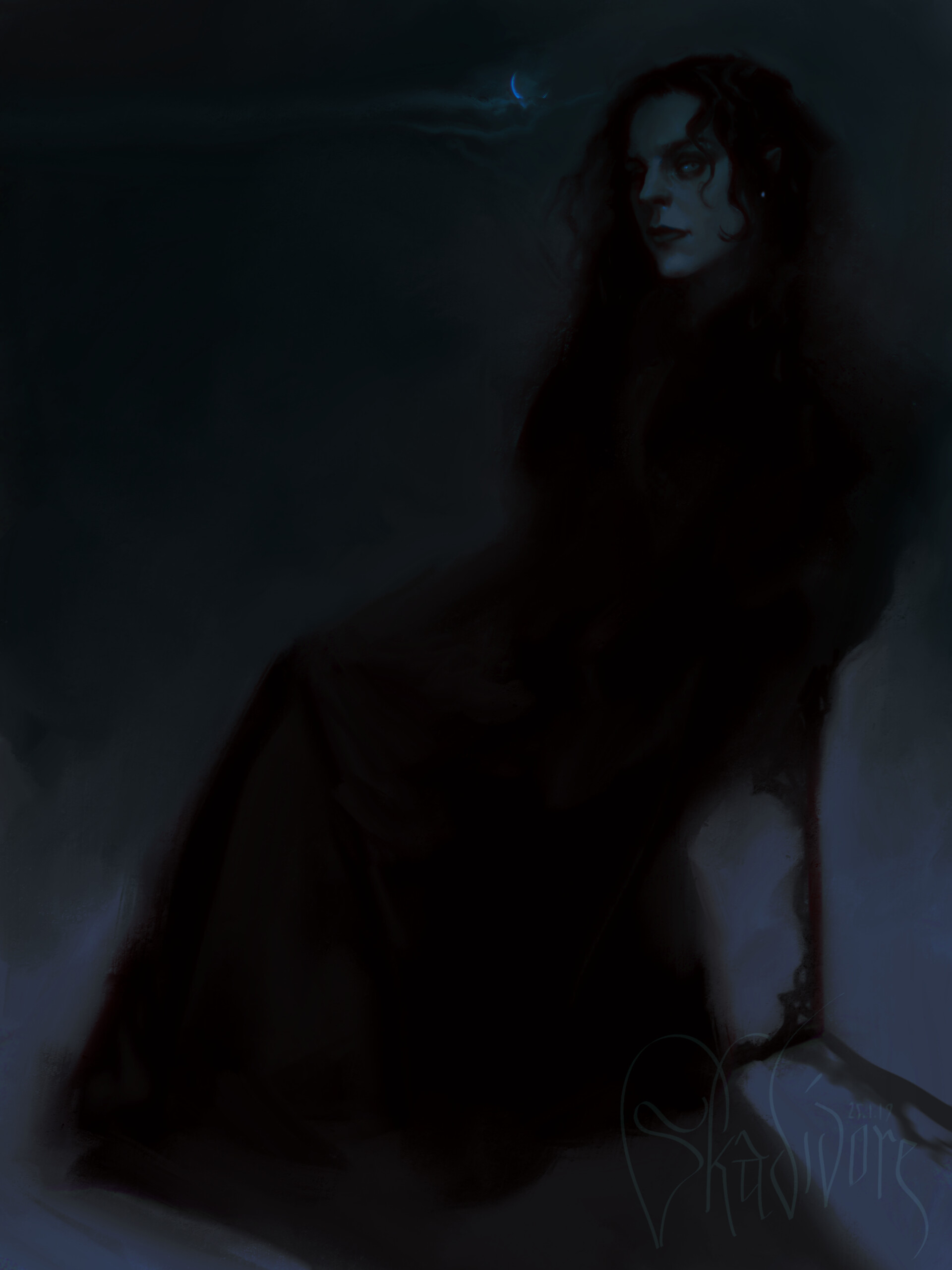
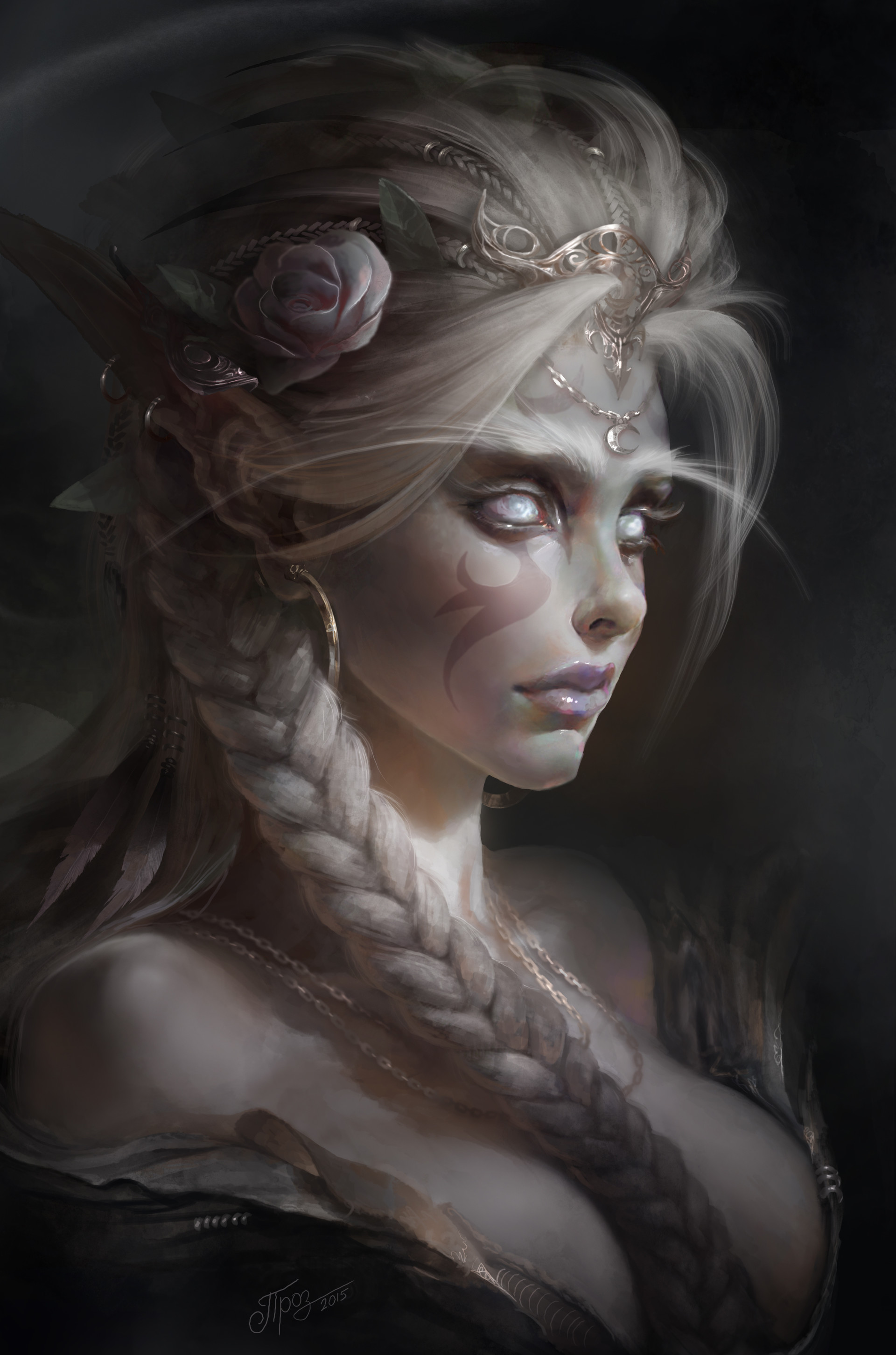
Darklings are curs'd fey, exiled from their hidden kingdoms.

Darklings can begin either as fighting-men or magic-users, and can freely switch between either class, but only between adventures. A darkling may not progress beyond a 4th level fighting-man (Hero) or an 8th level magic-user (Warlock). Because of their curse, they can only use cursed magical arms and armors, as well as cursed enchanted items, and they are immune to the curses of these items. Darklings can create potions and poisons, which takes time up to the referee and costs 1,000gp per dose to develop. Darklings have a fey harp doused in their curses, sorrows, and spites. Playing the harp allows for two different songs to be played. The first, a hateful ballad, causes creatures hostile towards the darkling to roll all dice twice and to take the worst result. The second, a sorrowful dirge, brings a character who has died within 1 round and within 3" back to life. The creature loses 1 energy level in exchange for this.


Sphinxes
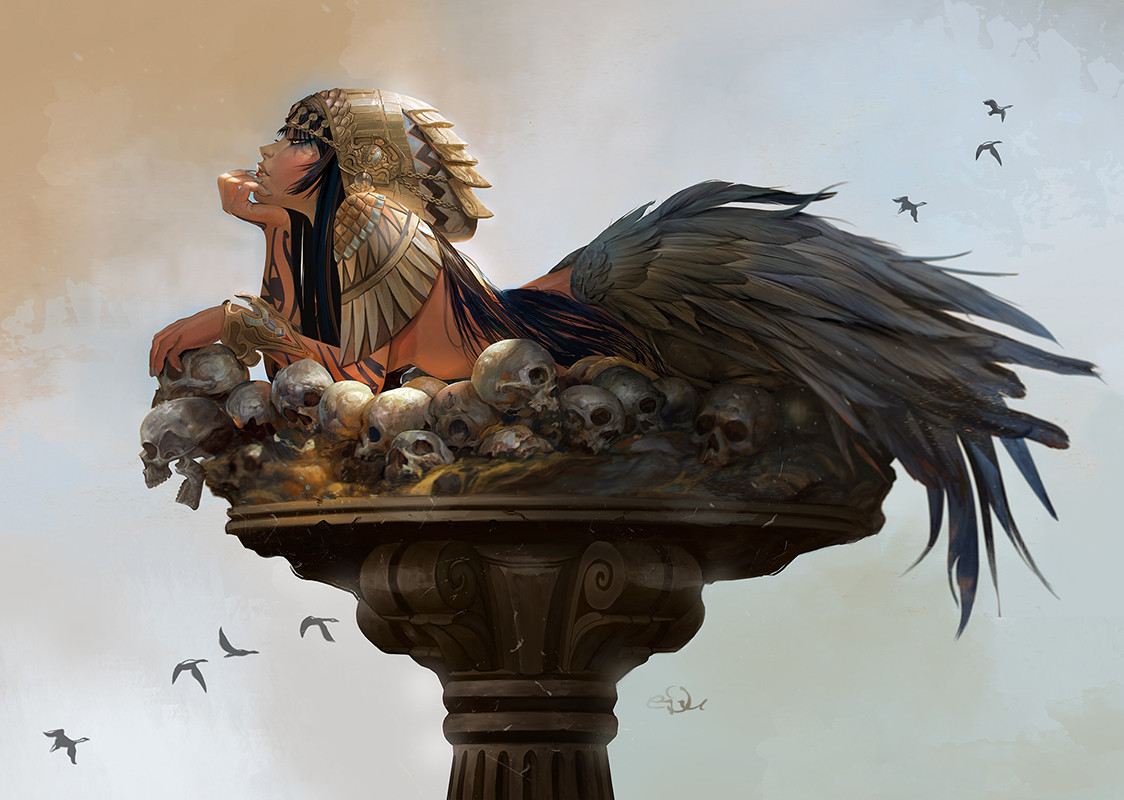
The Sphinx
Sphinxes adventure to gather wisdom. They retire and become sages for monarchs & gods.

Sphinxes are magic-users, and can only progress to 8th level magic-users (Warlocks). Sphinxes can use no magical items other than scrolls and potions. Sphinxes may only arm themselves with bows and slings. They have a 1-5 chance of knowing the answers to any riddles, and their wisdom allows them to hire sages at 1/10th of the price (200gp per month). After progressing to 2nd level (Seer), sphinxes can begin to research cleric spells. They cast these spells with their normal magic-user spell slots. All sphinxes can assume a monstrous shape, wherein their body takes the form of a lion, giving them two attacks with their claws. In their normal shape, they have wings, allowing them to move 2" through flight. Sphinxes are also magically-resistant, and thus save against magical effects as if 4 levels higher. Finally, a sphinx can speak any language.

Valkyries
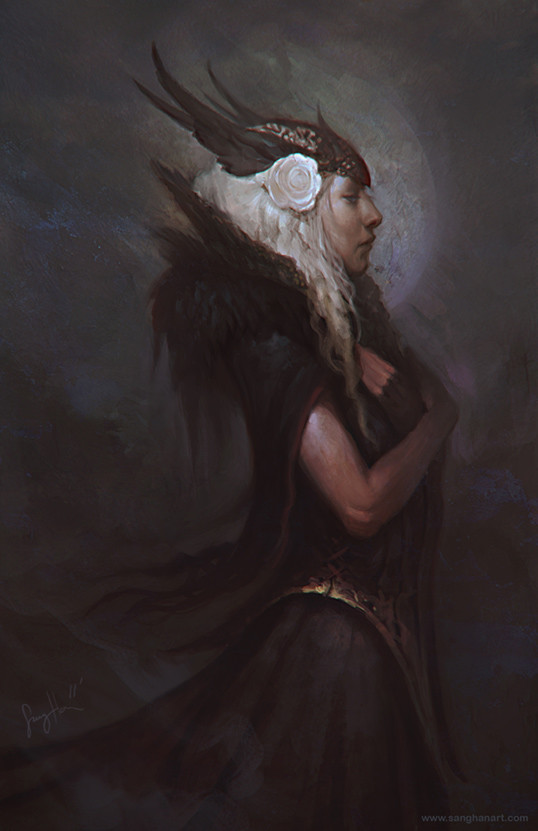
Dark Valkyrie
Valkyries descend to the world to aid adventurers whose souls they eventually harvest.

Valkyries are fighting-men who cannot progress beyond 7th level (Champion). Valkyries can use any means of magical weaponry and armors, but cannot use enchanted items. Valkyries add two pips to the damage rolls of any characters who deal damage with a weapon, so long as those characters are within 10" and have not failed a morale check during this battle. Valkyries themselves are treated as having AC 1 point above whatever they are wearing. A valkyrie can call on their patron All-Father or All-Mother, who will send them a boon once per adventure. This boon has a 50% chance of manifesting as a raven, who will attack for 6 rounds anyone the valkyrie deems as cowardly. This boon has a 40% chance of manifesting as a wing'd wolf, who can move with flight 40", can be rode by the valkyrie, but will not engage in combat. Lastly, the boon has a 10% chance of manifesting as wisdom, allowing the valkyrie to do 6 damage with each attack for 6 rounds. If a fighting-man dies within 10" of the valkyrie and is holding a weapon, she can consume 10% of their experience and make it her own.
High Elves Rule the World - An Album

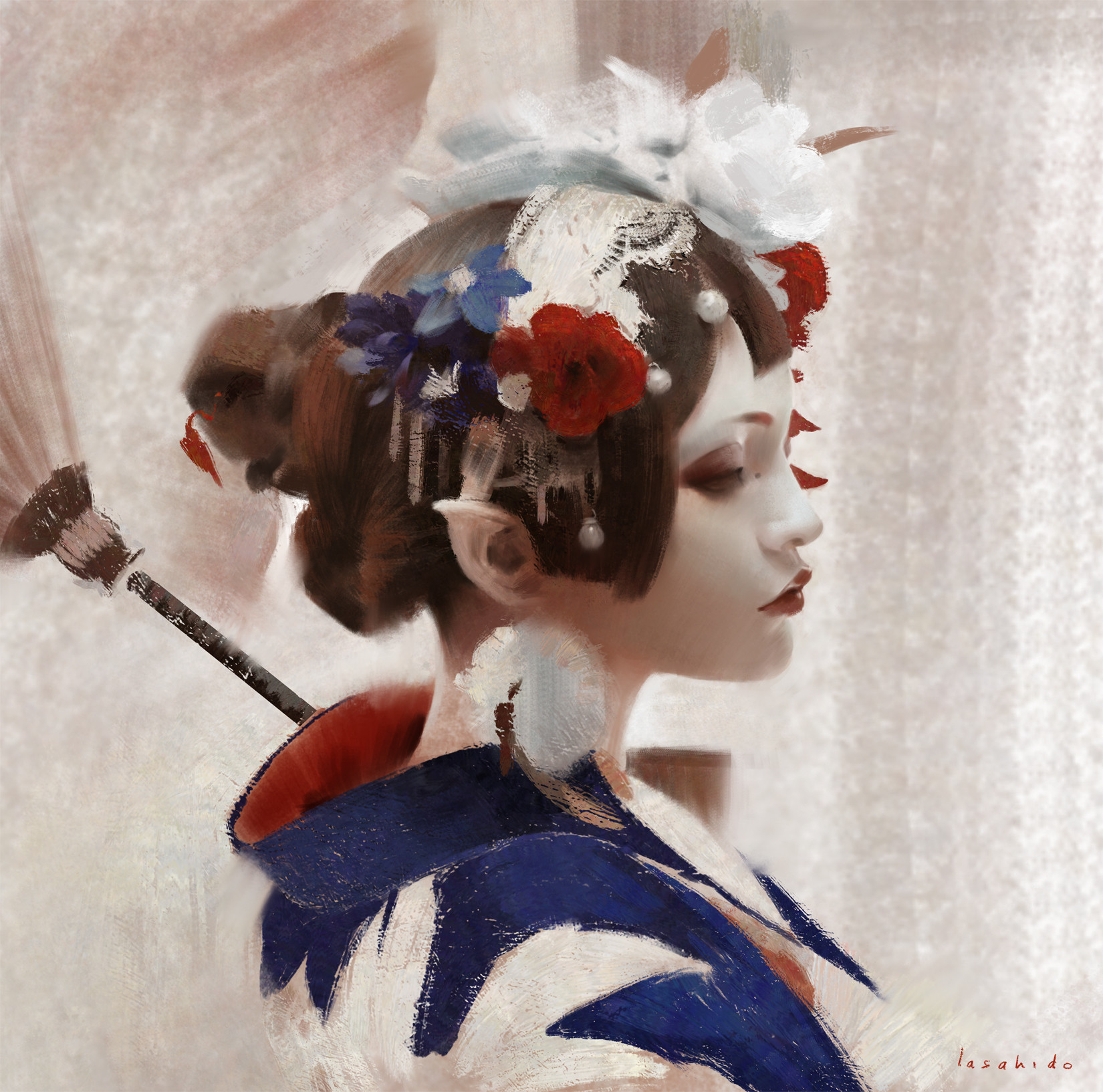
Elf in Kimono
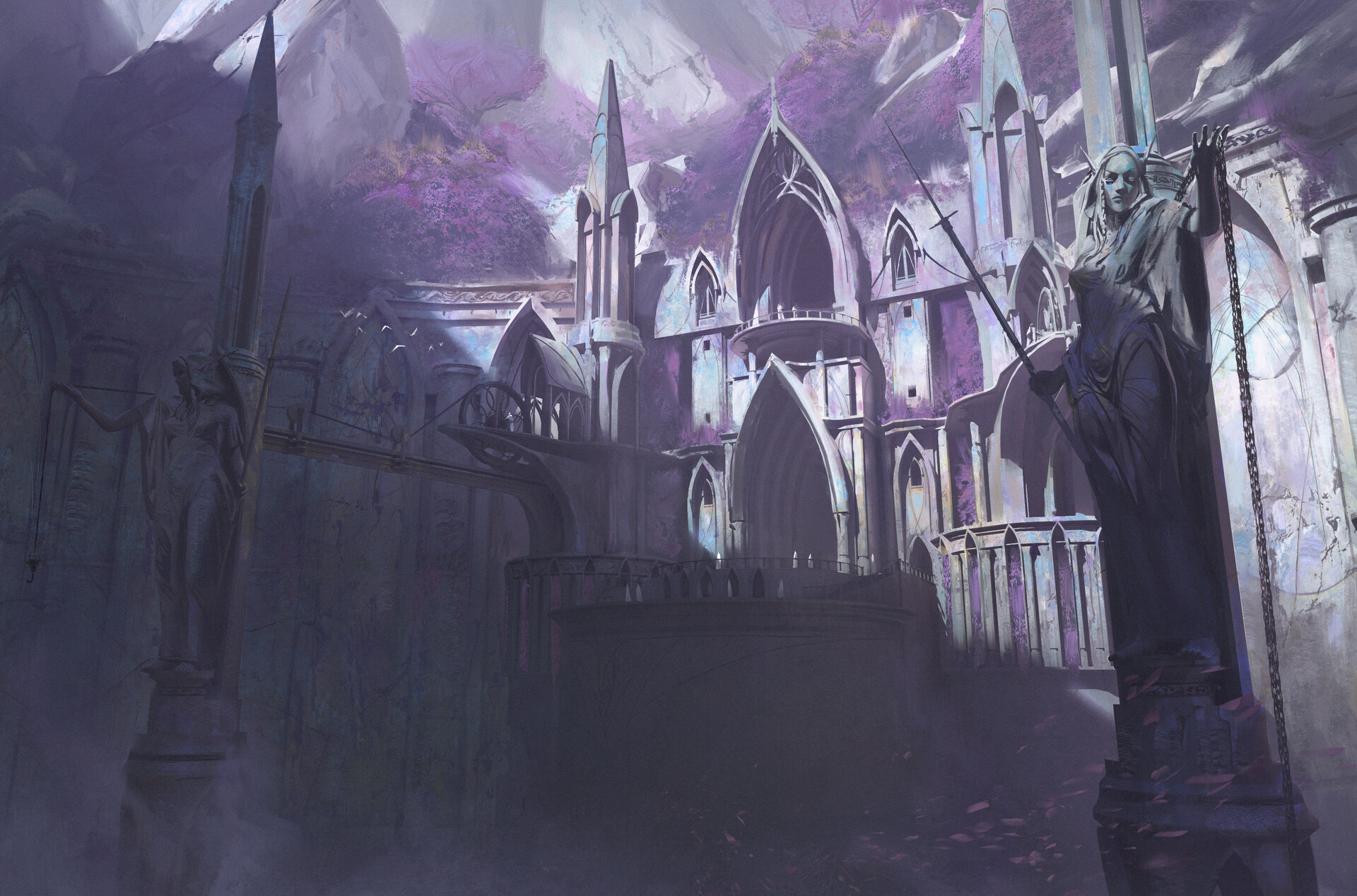
Few things rival Cosmic Horrors in scope, in power. High Elves are one of them.

White Priestess
Their souls are bonded to all Magic. It pumps through them.
It makes them immortal. It makes them intelligent.
They are High Elves because this makes them better than you.

Elven Salt Mines - Concept Masters Vol.1
High Elf cities are empty. They live in places no mortal can reach.
Really, cities are to them as model ships are to us. A passing time.
Flights of fancy.
Hobbies to obsess over.

Dream
High elves don't sleep, but they do dream.
These daydreams shape reality. Temporarily, at least.
Illusions given substance, but just as quick to die.
Sometimes they escape to our world. Terrorize it for a bit. For this is what they dream of:
Terror.
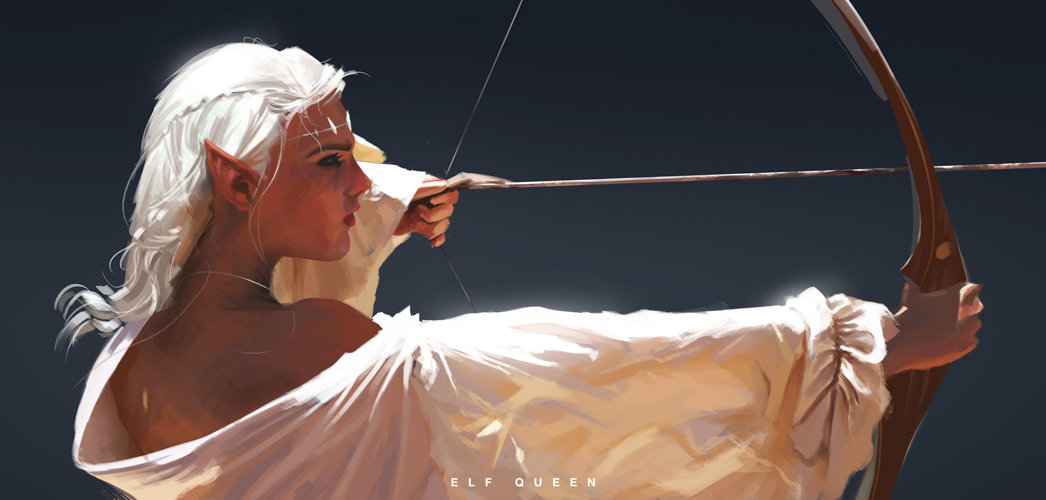
Elf Queen
High elves are not adventurers.
They dream up different versions of themselves. Give it a bit more longevity than the normal.
They set it loose on the world. Watch it.
A player avatar. A player character. Your life is their tabletop.

Luzifer
All gods are High Elves.
When their souls surged forth, they sought to create.
Entire starsystems. New universes. Planes of existence.
Worship does not feed them. Entertainment does.
Other elves, drow, eladrin, are their creations.
Elves are not Death, though. Death is still above.
elf dead
They can die, High Elves. They still live. Their hearts can be stilled.
Drow know the secret. Dragons know the secret. Demons know too.
If something can kill an elf, the others do not seek revenge.
They are patient.
Why seek what will always come?
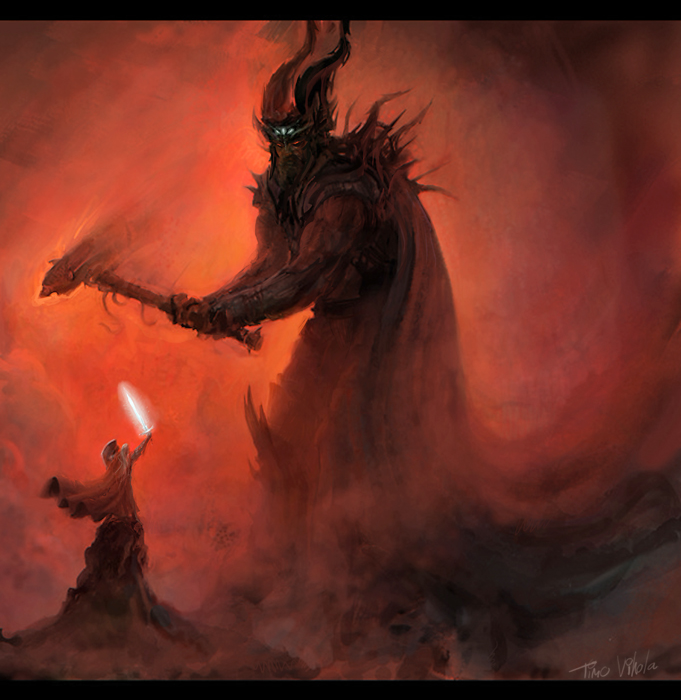
Image result for melkor vs fingolfin
To enter their universe, they must be bested.
Tyrannical though they are, pray:
Pray:
Pray they never fall.


O5R - Or Old School 5E

Lots of people say D&D 5E can't be played in an old school fashion. Not only do I disagree, but I think a really cool game is made out of 5E and OSR principles combined. More importantly, I think that this flavor can be created without any major rules changes. Here's why:

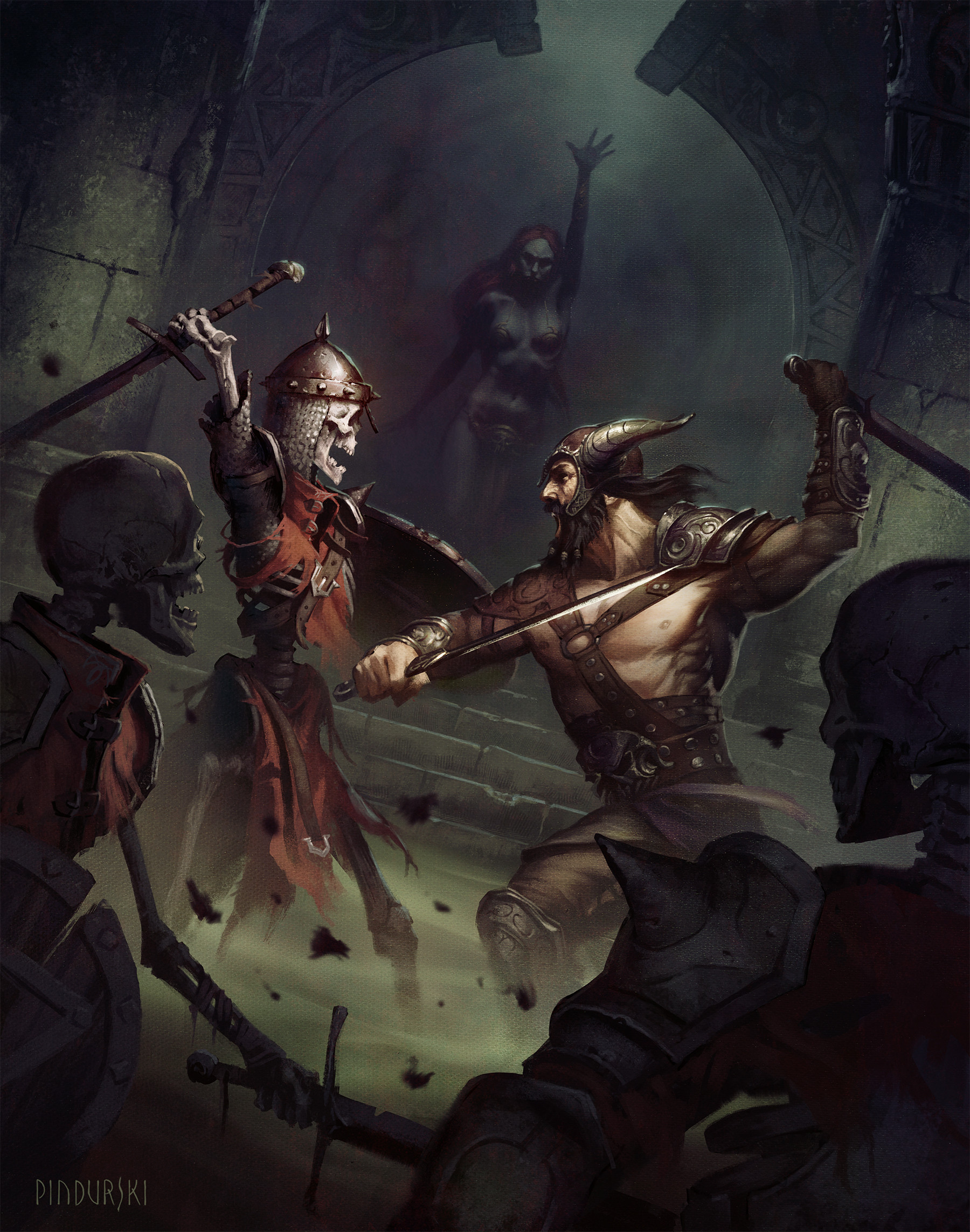
A little dungeon scuffle
Rule Intention doesn't dictate how your game has to be played.

ON 5E AND COMBAT
It's no secret that 5E is a game whose core enjoyment is derived from combat. As written, players encounter monsters and they kill monsters and then they get experience and life continues. In opposition of this is the OSR, where combat is not the best option for every problem, even if it can often be a viable solution. In OSR games, this is true because the characters are fragile and because they have almost no tools beyond player creativity to take on problems. But in 5E, you have a litany of character features, most of which provide combat ability. Likewise, a common complaint is that 5E's death saves are too kind to player characters, and too safe.

This last point in particular is bullshit. Why? In Tomb of Annihilation, Death Saves are pushed to 15 instead of 10 for success. This gives you a near 75% chance that characters do not survive at 0 hit points. By having realistic monsters who go for the coup de grĂ¢ce, falling to 0 quickly becomes a very dangerous place to live. And even beyond that, monster damage is variable, and it's suggested to use standard amounts. Usually the average damage is given for a monster, but there's no rule against using the maximum damage, or any value between average and the maximum. So now players, despite having bigger hit point pools, are being hit so hard as to make combat far more grueling. Thus, combats are now faster, and more dangerous for players.

You can go even further still. Have it so when a character comes back up from 0 hit points, they gain 1 level of Exhaustion. This is a fair use of Exhaustion and it makes it so combat gets harder and harder the longer players press on through a dungeon or the wilderness.

These changes make it so players can still desire combat and see it as a viable option, but it is certainly not the best option in every encounter. Assassination, roleplaying to dissuade enemies from combat, and sneaking past encounters all become more attractive in the wake of this more grueling combat paradigm. Thus, players handling obstacles through a more OSR-oriented perspective is achieved.

One more complaint I see before moving on to the next section; people hate CR. I hate CR. Remember that CR is a guideline. In other words, ignore CR and just read the stat block and use that.

Job to end all jobs
Just because you can cast Fly doesn't mean you can easily get out of this.

ON FEATURES VERSUS PLAYER INGENUITY
There's a common false-narrative perpetuated that having more features takes away from player skill. This is not true. In an OSR game, your features is the horde of equipment and hirelings you have with you. Tactical use of both equipment and hirelings is nothing more or less than just a different suite of features. Compare this to 5E where there are no hirelings, and where equipment is, overall, just an accent or means to an end. Instead, 5E offers the aforementioned litany of features to use. Access to features is not a point of argument against tactility. How a Cleric manages their spells and Channel Divinity options, how a Druid invokes their Wildshape, and when a Fighter chooses to finally Action Surge are all tactical decisions the same as when you light that pitch on fire that goblins are charging through or when the wizard chooses to finally blow their one, single (and usually useless) spell slot.

A common argument is that having more features limits what you can and cannot do. However, unlike B/X, thief skills aren't limited to just thieves in 5E, and sub-classes allow casters to sacrifice some spell ability for martial combat (and vice-versa). In other words, though it seems limiting, most of what happens in 5E does not strip options from everyone else. This is not to say that some things are cut off. Class fantasy will always take what an ur-Adventurer, like Conan or Elric, and split them up between the PCs themselves. Unless a classless system is opted for  this is a simple reality that must be faced. Tangent aside, while more crunchy, 5E's multi-classing, sub-classes, and more feature-heavy classes is not a strong argument for a lack of player ingenuity. How you choose to use your features, when you choose to use them, and the potential to still have hirelings and make equipment meaningful only serves to put more focus on how player's ingeniously operate.

One flaw, though, is character builds. This is inescapable. OSR relies a lot on randomization to prevent this. This is something I'm willing to compromise on. Thematic character builds are what my player's produce overtime, with decisions influenced on what happens in their games, what NPCs they meet, and so on.


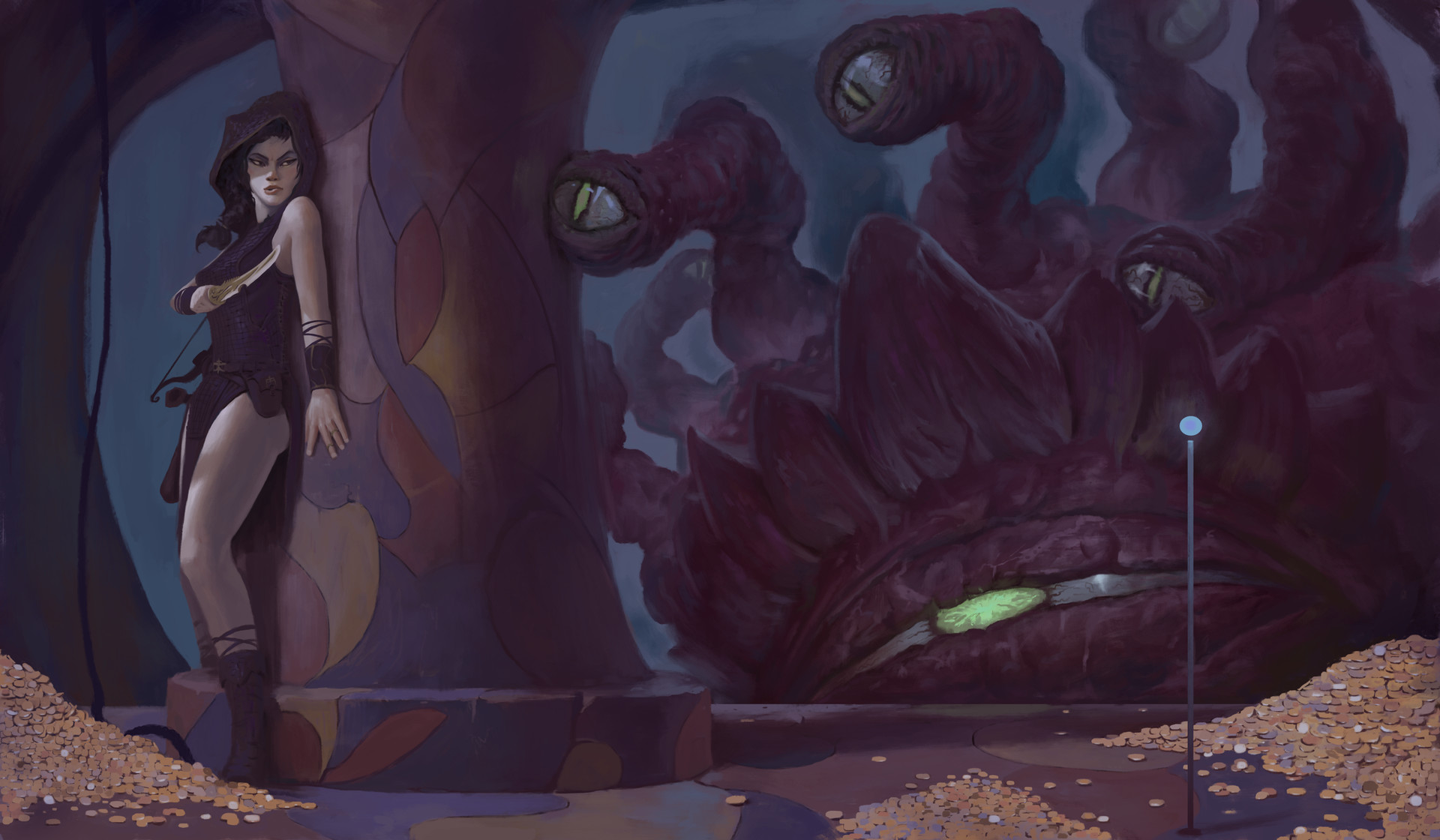
The Agreement
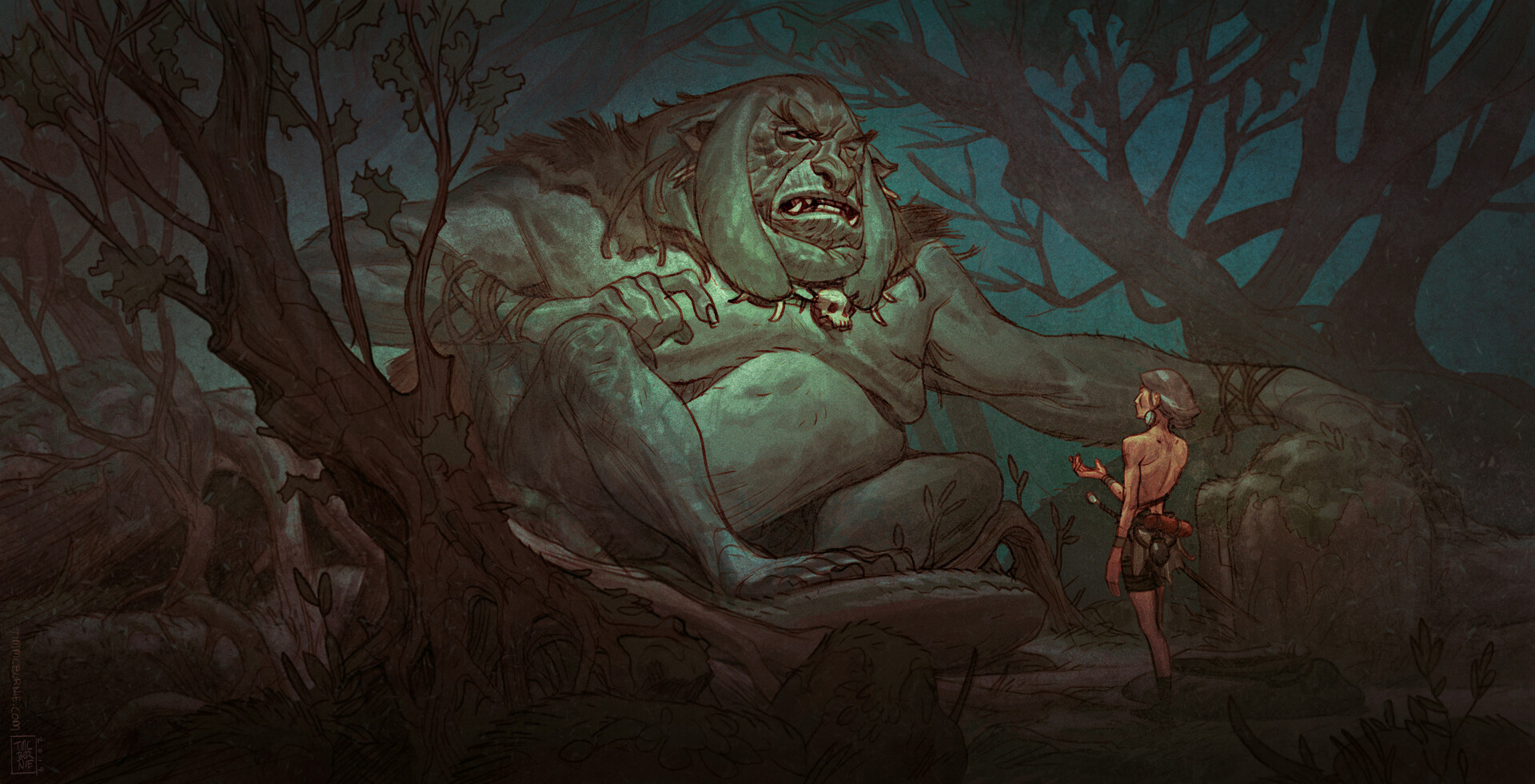
If you can't talk your way out of the troll, using Skills as a last ditch attempt isn't all bad.

ON SKILL SYSTEMS 
5E's skill systems aren't the system's strongest aspect. Still, skills aren't all that bad. I ask for skill checks only when a plan the players are putting into action is utterly terrible, has an incredible chance or failure, or to mechanically punish during the adventure. Skills are, for me, kind of like saves in this aspect. I also only ask for a skill check. My players tell me what they want to do, and if I think it doesn't need a check to go through, or if the plan is really solid, I have no problem letting these situations play out without dice. Skills are thus the least offensive thing in 5E for O5R play style, as it's just an issue of play style.


ON GOLD AS XP
5E milestones allow the DM to reward player's milestones, which are cashed in for leveling up. This is an easy use for Gold as XP. For every X amount of GP worth of treasure taken from a dangerous place, you get a milestone. Cash the milestones in, level up. Easy!

Liquid Sky
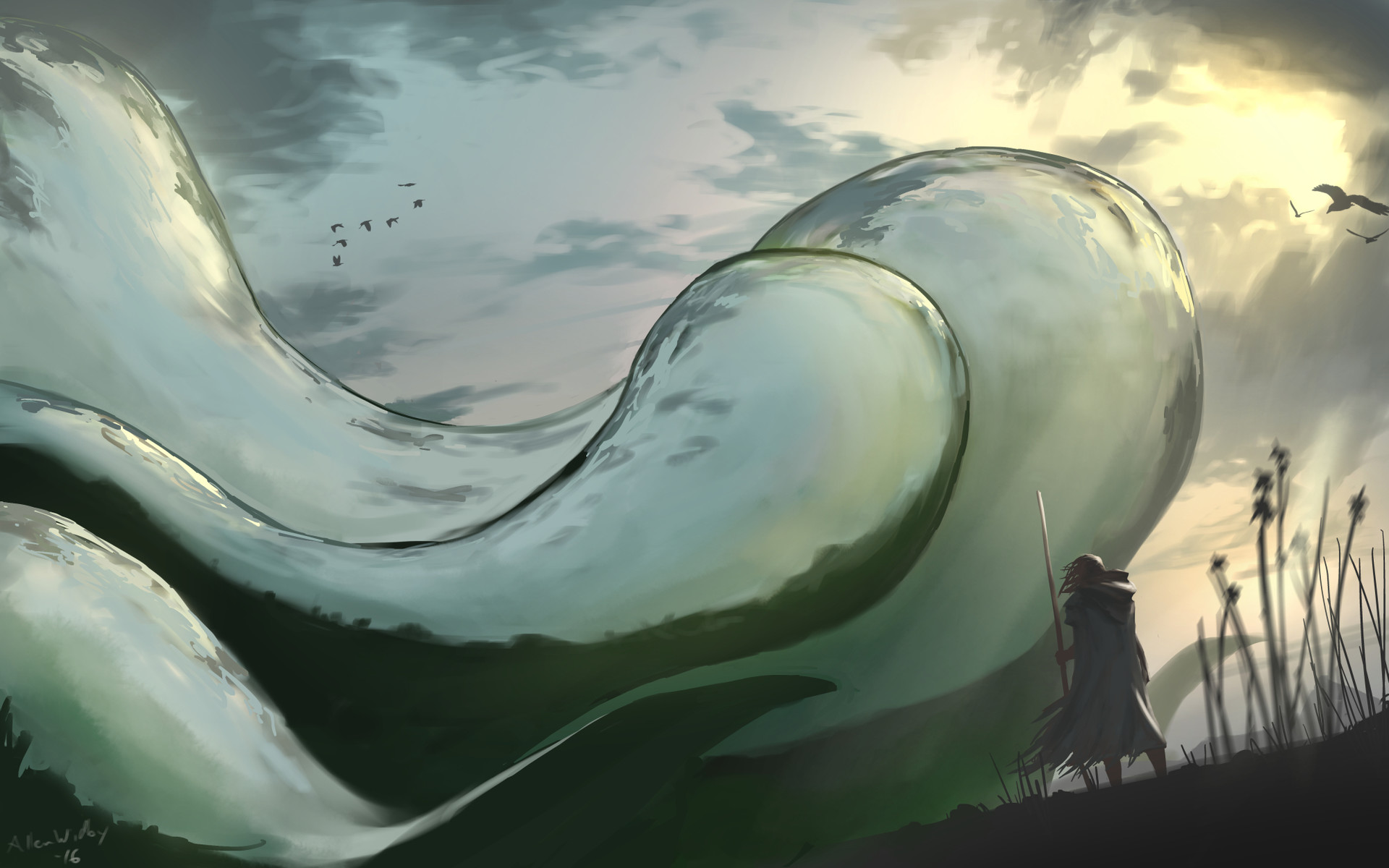
There's more rules than in OSE, but that doesn't mean these rules can't create a cruel experience.

ON CHALLENGING PLAYERS 
So, how do you challenge players without combat in a combat-heavy system like 5E? WotC has provided ample ways to do this.

First, traps are obvious, but Xanathar's Guide to Everything introduces rules for complex traps. These traps are elaborate encounters with lots of moving parts that allow players to use their many features to save their lives and escape the trap.

Puzzles and riddles, common in all forms of Fantasy, are always viable.

Environmental hazards are offered in the DMG. Beyond falls, rushing rivers, etc, you have various oozes and other horrific things that a fantasy environment can contain that'll frustrate players, steal their resources, and provide lethality.

For Long Rests, a big point of continent for a lot of OSR fans, simply saying that they can only be taken in "Sanctuaries"--safe rooms, cities, holy places, etc, makes it so players don't stay topped out on hit points 24/7 and have to be careful with what they're doing in terms of their own resource-based abilities.

Lastly, Exhaustion. Throw in a level for when players fail a saving throw to some environmental effect. Throw in a level if they've gone too long without a proper Long Rest. Throw in a level for when they come back from 0 hit points. Throw in a level for when they haven't eaten in a while, or had water. Throw in a level for every day they spent wandering lost.


RECAP

5E can be ran through an OSR mindset pretty easily. I'm not saying it is an OSR game. What I am saying is that O5R is a viable practice that channels a lot of OSR mindset to make running 5E a lot more palpable for those who like a more grueling style of play.